



In the quiet moments between a bustling city and the humming of technology, a question often lingers in conversations about the future of artificial intelligence:
This inquiry is more than a philosophical puzzle; it probes how society perceives autonomy, responsibility, and empathy within machines that increasingly mirror human behavior. The answer isn’t a simple yes or no, but a nuanced exploration of the boundaries between code and consciousness.
Defining the Human Machine
At its core, the phrase “human in the loop” refers to a scenario where a human actively oversees or intervenes in an automated system. In fields such as autonomous vehicles, healthcare diagnostics, and defense technology, this oversight is designed to ensure safety and ethical accountability. The concept acknowledges that, even when machines perform tasks with high precision, the judgment, intent, and moral reasoning of a human remain essential.
Why the Question Matters
When people ask,
they often express unease about relinquishing control to algorithms. The question taps into deeper fears about loss of agency, privacy invasion, and the erosion of human expertise. , it reflects a societal need to maintain a clear line between human dignity and automated efficiency. By addressing this concern head‑on, we can better design systems that respect both technological advancement and human values.
Case Study: Autonomous Vehicles
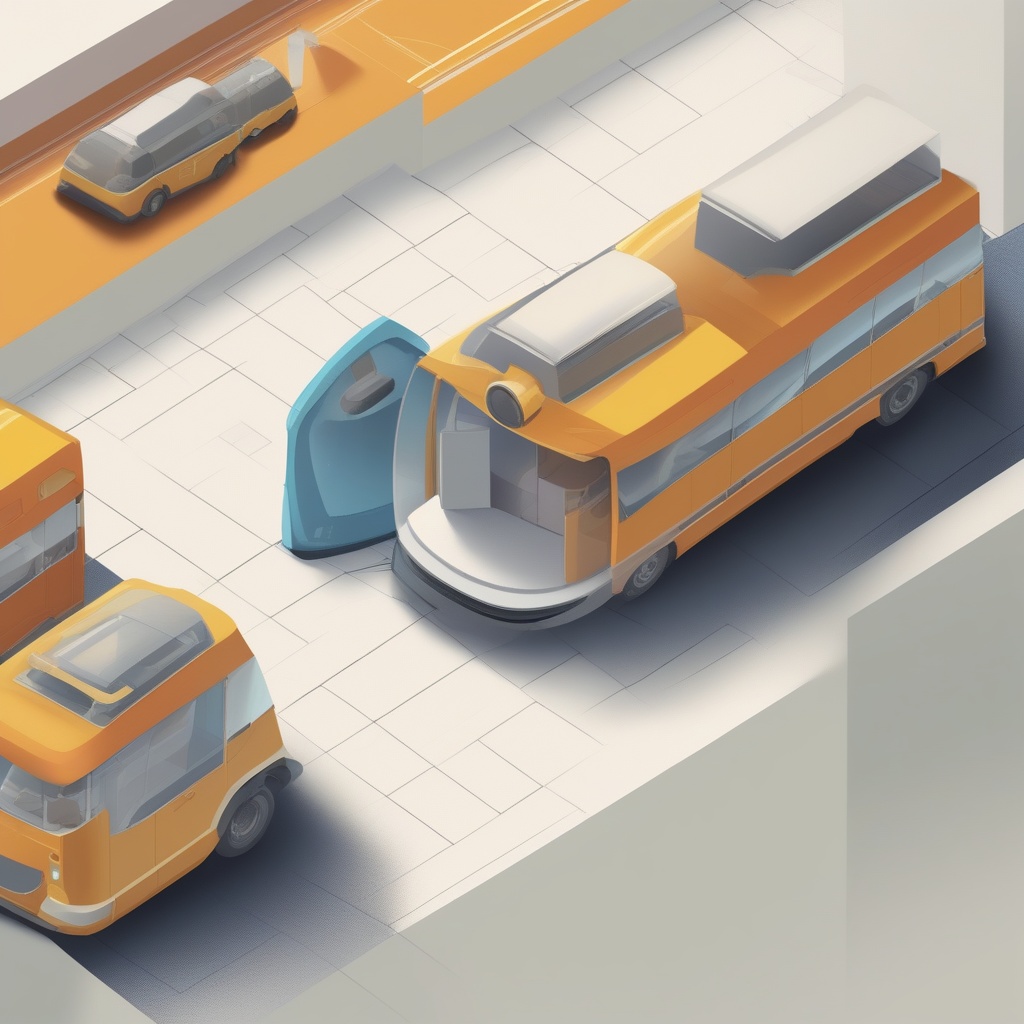
Consider autonomous cars that use sensor fusion, machine learning, and real‑time decision engines to navigate roads. Despite their sophisticated capabilities, manufacturers embed human oversight mechanisms such as remote monitoring centers and driver‑alert systems. During unexpected events-like sudden pedestrian crossings or malfunctioning traffic signals-the system escalates alerts to a human operator who can intervene, so reinforcing the idea that the vehicle’s actions are ultimately guided by human judgment.
AI in Healthcare: Balancing Precision and Compassion
In medical diagnostics, AI algorithms analyze imaging data faster than any human can. Yet, the final diagnosis often rests with a clinician who interprets the results, considers patient history, and communicates empathy. The human presence in these processes is crucial for ethical decision‑making, especially when treatments involve life‑threatening interventions. This collaboration underscores how human insight remains indispensable even when technology excels in pattern recognition.
Legal and Ethical Implications
Regulatory frameworks increasingly mandate human involvement in critical AI applications. For instance, the European Union’s Digital Services Act proposes accountability clauses requiring that decisions with significant societal impact involve human review. These provisions recognize that pure algorithmic outcomes can lead to unintended biases or injustices, whereas human oversight can mitigate such risks by applying contextual judgment.
The Role of Human Creativity
Creativity and innovation are hallmarks of human cognition that machines, no matter how advanced, cannot fully replicate. Artists, engineers, and designers routinely integrate AI tools to enhance their work, but the conceptual spark, ethical stance, and cultural relevance originate from human minds. When an AI generates a novel design or predicts market trends, the human curator decides whether to adopt, adapt, or discard the output, illustrating the indispensable role of human agency.
Future Directions: Toward Transparent “Human‑in‑the‑Loop” Systems
Emerging research focuses on developing transparent interfaces that clearly indicate when a human is actively supervising an AI system. Techniques such as explainable AI (XAI) aim to make algorithmic decisions understandable, thereby fostering trust. Transparent dashboards can provide real‑time insights into the human’s role, showing when they intervene, approve, or override machine actions. Such designs not only improve safety but also reassure users that a human mind guides critical decisions.
Practical Takeaways for Users and Developers
Educate stakeholders.Understanding that a human is involved in key decision points can reduce anxiety about automation.Implement clear handoff protocols.Define when and how a human should intervene in automated workflows.Prioritize explainability.Systems that reveal their reasoning processes help users see the human component.
Closing Reflections
The recurring question
serves as a compass guiding the ethical integration of technology into everyday life. It reminds us that while machines can process data faster and perform repetitive tasks more reliably, they lack the nuanced judgment, emotional intelligence, and moral responsibility that humans provide. By maintaining a deliberate, human‑centered approach-especially in safety‑critical domains-society can harness the strengths of artificial intelligence while preserving the core values that define humanity.




No comments yet. Be the first to comment!